
 EN
EN
 AR
AR
 BG
BG
 CS
CS
 DA
DA
 NL
NL
 FI
FI
 FR
FR
 DE
DE
 EL
EL
 IT
IT
 JA
JA
 KO
KO
 NO
NO
 PL
PL
 PT
PT
 RO
RO
 RU
RU
 ES
ES
 SV
SV
 TL
TL
 ID
ID
 LV
LV
 SR
SR
 SK
SK
 SL
SL
 UK
UK
 VI
VI
 SQ
SQ
 ET
ET
 HU
HU
 TH
TH
 TR
TR
 FA
FA
 GA
GA
 BE
BE
 AZ
AZ
 KA
KA
 LA
LA
 UZ
UZ
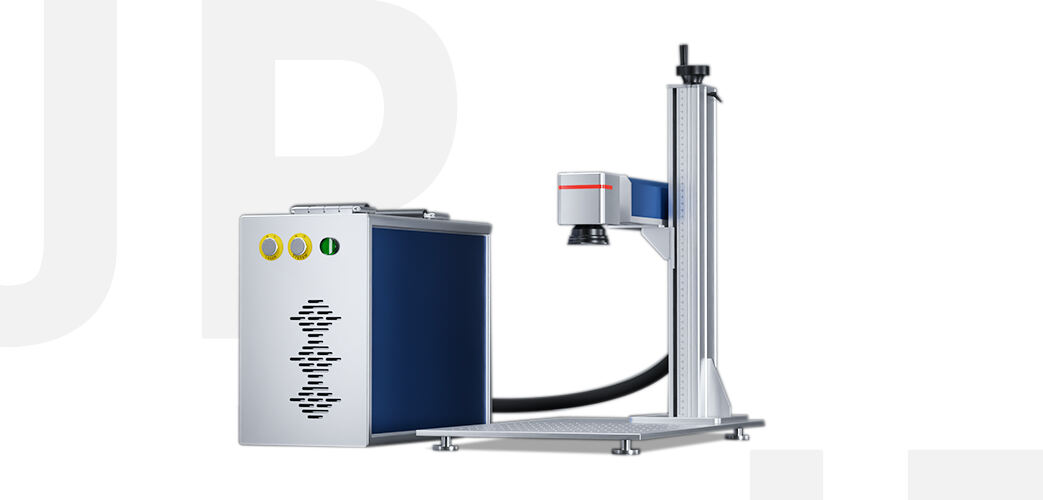
Femtosecond laser systems and picosecond laser systems are ultrashort-pulse laser devices used in precision machining, medical treatment, and scientific research. Their pulse widths differ by several orders of magnitude, which leads to significant differences in the interaction mechanisms between light and materials. As a result, they show different characteristics in machining quality, thermal-effect control, and material compatibility.
1. Pulse Width Comparison
Femtosecond laser pulse width: on the order of 10⁻¹⁵ s
Picosecond laser pulse width: on the order of 10⁻¹² s
The shorter the pulse width, the shorter the energy deposition time in the material, preventing significant thermal diffusion and forming a “cold-processing” characteristic. Femtosecond lasers offer higher peak power density and a lower thermal-affected zone within the ultrashort-pulse range.
2. Light–Material Interaction Mechanism
2.1 Picosecond Lasers
Picosecond pulses can achieve high-peak-power photoionization. Through multiphoton absorption and nonlinear effects, the material undergoes rapid melting and vaporization. A certain thermal-affected zone still exists during machining. Picosecond lasers are suitable for micro-machining of metals, ceramics, and glass.
2.2 Femtosecond Lasers
Femtosecond pulses provide higher peak power and can complete electron excitation and bond breaking within an extremely short time, forming a non-thermal ablation mechanism. There is almost no molten layer and minimal debris, making them suitable for thermally sensitive materials or high-precision structures that require low-damage machining.
3. Application Fields
3.1 Picosecond Laser Applications
Metal micro-engraving
Glass drilling and surface scribing
PCB marking and micro-hole machining
Phone-housing surface texturing and gentle cleaning
Medical dermatology equipment
Picosecond lasers offer stability in industrial production environments and are suitable for medium-to-high precision machining tasks.
3.2 Femtosecond Laser Applications
Precision optical-glass internal engraving and material modification
Semiconductor wafer dicing and low-damage cutting
Ophthalmic corneal surgery
Low-thermal-damage machining of polymers and brittle materials
Femtosecond lasers are suited for high-end manufacturing and scientific research and require higher environmental stability.
4. Process Differences
Picosecond processing: Material exhibits micro-melting with slight recast layers, often requiring post-processing; suitable for medium-speed, medium-precision tasks.
Femtosecond processing: Material is directly ionized and removed without melting or carbonization, producing smooth edges; suitable for high-precision and ultra-microstructure fabrication.
5. Equipment Selection Principles
Cost-driven requirements: choose picosecond lasers.
High-precision and minimal thermal-effect requirements: choose femtosecond lasers.
Micro-fabrication of glass, wafers, and polymers: prefer femtosecond lasers.
Metal engraving, marking, and micro-hole machining: picosecond lasers offer better cost-performance.
Femtosecond lasers provide shorter pulse duration and higher peak power than picosecond lasers, enabling near-zero thermal-effect processing. Picosecond lasers offer advantages in cost, stability, and general-purpose machining capabilities. Users should select the appropriate ultrashort-pulse laser equipment based on process requirements, precision level, material characteristics, and budget.