
 EN
EN
 AR
AR
 BG
BG
 CS
CS
 DA
DA
 NL
NL
 FI
FI
 FR
FR
 DE
DE
 EL
EL
 IT
IT
 JA
JA
 KO
KO
 NO
NO
 PL
PL
 PT
PT
 RO
RO
 RU
RU
 ES
ES
 SV
SV
 TL
TL
 ID
ID
 LV
LV
 SR
SR
 SK
SK
 SL
SL
 UK
UK
 VI
VI
 SQ
SQ
 ET
ET
 HU
HU
 TH
TH
 TR
TR
 FA
FA
 GA
GA
 BE
BE
 AZ
AZ
 KA
KA
 LA
LA
 UZ
UZ
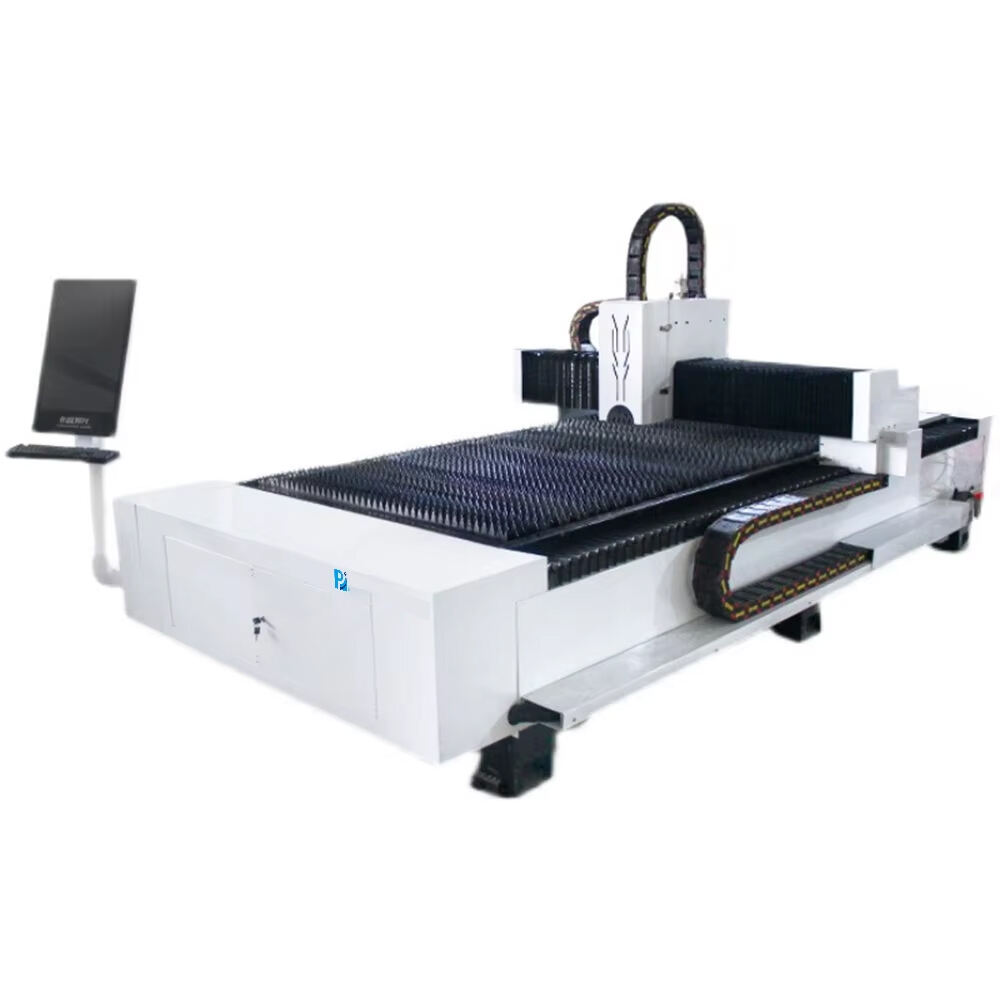
In laser processing, whether laser energy can effectively act on a material depends on the material’s ability to absorb a specific laser wavelength. Different materials exhibit significant differences in absorption rates at different wavelengths, and these differences directly affect the efficiency, stability, and processing quality of laser cutting, welding, marking, and cleaning. Understanding material–wavelength absorption characteristics is the foundation for laser process selection and parameter optimization.
I. Basic Relationship Between Laser Wavelength and Absorption Rate
Laser absorption rate refers to the proportion of incident laser energy absorbed by a material surface. It is influenced by the following factors:
Laser wavelength
Electronic structure and lattice characteristics of the material
Surface condition (roughness, oxide layer, coatings)
Angle of incidence and polarization state
In most cases, a material’s absorption rate is not a fixed value but varies significantly with wavelength. Therefore, the same material can exhibit markedly different processing results when exposed to different types of lasers (such as CO₂, fiber, green, or ultraviolet lasers).
II. Absorption Characteristics of Different Laser Wavelengths for Metal Materials
1. Ferrous Metals (Carbon Steel, Stainless Steel)
Ferrous metals exhibit relatively stable absorption in the near-infrared band (around 1.06 μm):
High absorption for 1064 nm fiber lasers
Good energy coupling with 10.6 μm CO₂ lasers
Further increased absorption after surface oxidation or roughening
As a result, fiber lasers and CO₂ lasers are widely used for cutting and welding steel materials.
2. Highly Reflective Metals (Aluminum, Copper, Gold, Silver)
Highly reflective metals have low absorption in the infrared band:
Low initial absorption for 1064 nm lasers, with strong reflection
Significantly higher absorption at shorter wavelengths (green 532 nm, blue 450 nm)
Absorption increases dynamically as temperature rises
This is the main reason why green and blue lasers have been rapidly adopted in copper welding and precision aluminum processing in recent years.
III. Wavelength Absorption Characteristics of Non-Metal Materials
1. Plastics and Polymer Materials
The absorption characteristics of plastics are closely related to their molecular structure:
Most plastics are transparent or weakly absorbing in the near-infrared range
High absorption in the mid- to far-infrared band (10.6 μm)
Absorption characteristics can be significantly altered by adding pigments or absorbers
Therefore, CO₂ lasers are widely used for plastic cutting, marking, and thin-film processing.
2. Wood, Paper, and Organic Materials
Organic materials generally exhibit high absorption for infrared lasers:
High absorption efficiency for CO₂ lasers
Prone to thermal decomposition, carbonization, and vaporization
Relatively large heat-affected zones during processing
These materials are suitable for low-power continuous or pulsed infrared laser processing.
IV. Ceramics, Glass, and Transparent Materials
Transparent or semi-transparent materials show strong wavelength dependence in absorption:
Low absorption and high transmittance in the infrared and visible ranges
Significantly increased absorption in the ultraviolet range
Short-wavelength lasers more readily induce multiphoton absorption
As a result, ultraviolet lasers have clear advantages in glass drilling and precision ceramic processing.
V. Influence of Material Surface on Absorption Rate
In addition to intrinsic material properties, surface condition also affects absorption efficiency:
Rough surfaces absorb laser energy more easily than mirror-like surfaces
Oxide layers and coatings can reduce reflectivity
Surface contaminants can increase initial absorption in certain processes
In the processing of highly reflective materials, surface pretreatment is often used to improve laser energy coupling.
VI. Impact of Absorption Differences on Laser Processing
Differences in material absorption rates at various laser wavelengths directly affect:
Selection of laser type
Power and energy density settings
Processing speed and stability
Size of the heat-affected zone and forming quality
By properly matching the material with an appropriate laser wavelength, it is possible to reduce energy consumption while improving processing quality and equipment safety.
Significant differences exist in the absorption rates of different materials at various laser wavelengths. These differences are determined by the material’s electronic structure, molecular vibration characteristics, and surface condition. In laser processing applications, selecting a laser wavelength that matches the material’s absorption characteristics is key to achieving high efficiency and high-quality results. With the development of short-wavelength laser technologies, processing capabilities for highly reflective and transparent materials continue to improve.