
 EN
EN
 AR
AR
 BG
BG
 CS
CS
 DA
DA
 NL
NL
 FI
FI
 FR
FR
 DE
DE
 EL
EL
 IT
IT
 JA
JA
 KO
KO
 NO
NO
 PL
PL
 PT
PT
 RO
RO
 RU
RU
 ES
ES
 SV
SV
 TL
TL
 ID
ID
 LV
LV
 SR
SR
 SK
SK
 SL
SL
 UK
UK
 VI
VI
 SQ
SQ
 ET
ET
 HU
HU
 TH
TH
 TR
TR
 FA
FA
 GA
GA
 BE
BE
 AZ
AZ
 KA
KA
 LA
LA
 UZ
UZ
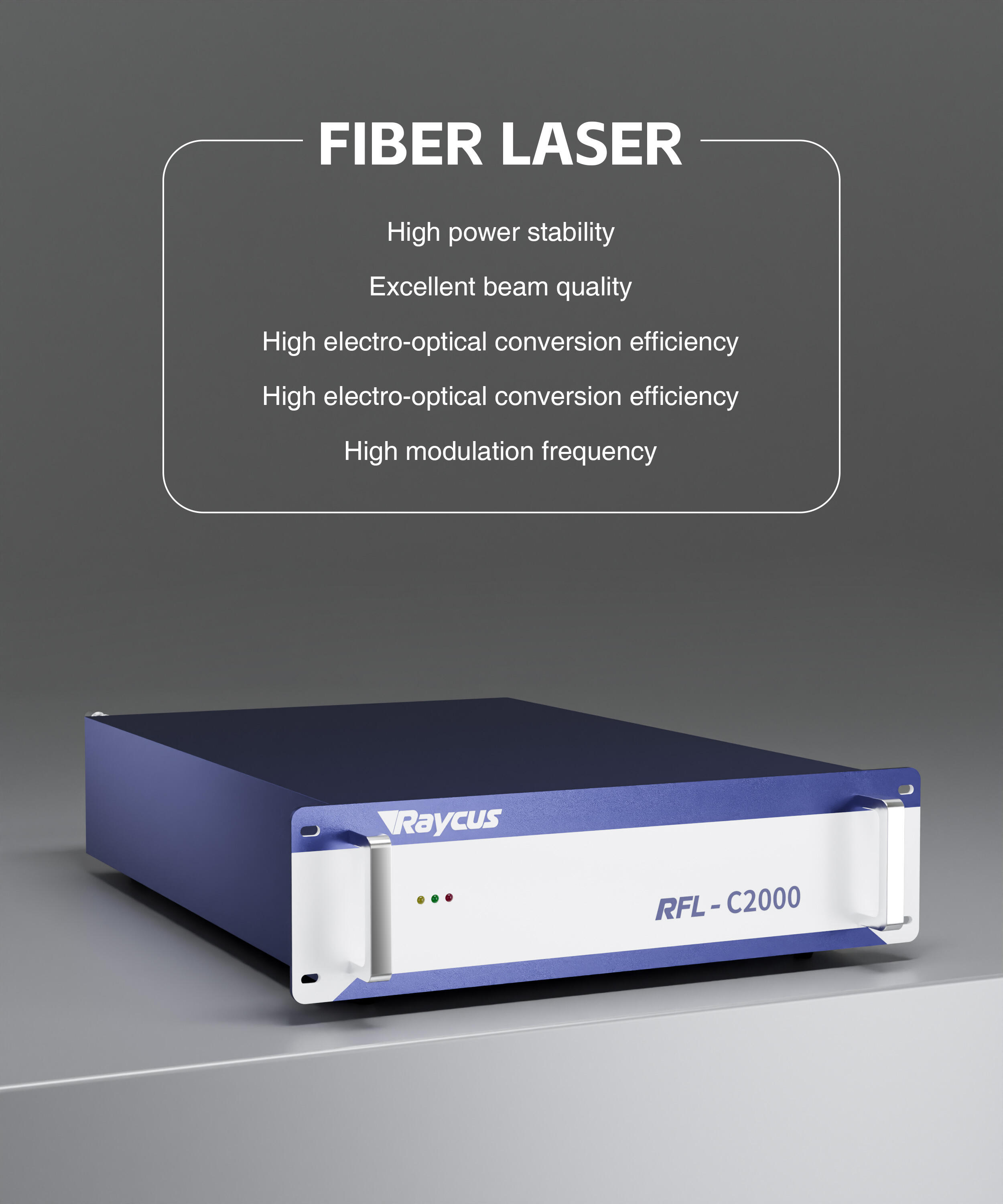
In the laser system, the main role of the CPLD is to process and control the logic and signals related to the working state of the laser. Due to its efficient parallel processing capability, flexible configuration, low latency and low power consumption, the CPLD plays a significant role in the laser system. Here are several specific functions of the CPLD in the laser:
Laser driver and control
CPLD can be used in laser driver circuits to control key parameters such as the laser's on/off, power output, and frequency. Through programming configuration, CPLD can precisely control the operation of the laser according to system requirements, ensuring that the laser output conforms to the set working mode.
For instance, in a pulsed laser system, the CPLD can control the pulse frequency, width and interval time of the laser, ensuring that the laser operates as intended.
2. Signal Modulation and Demodulation
In some laser applications, the laser output needs to be modulated to carry information. CPLD can quickly process these modulated signals and achieve high-precision modulation functions.
For instance, in a laser communication system, the CPLD might be responsible for converting the input digital signal into a modulation signal that controls the output of the laser.
3. Timing Control
Laser systems often require precise timing control, especially in pulsed lasers. CPLD can generate precise timing signals to control the laser to emit light at the correct time intervals.
The timing control function of CPLD ensures that the laser emits pulses at the preset frequency at specific time points, guaranteeing the synchronization of the system.
4. Real-time monitoring and feedback adjustment
CPLD can monitor the various working conditions of the laser in real time, such as temperature, current, and voltage. It can connect sensors to obtain these data and, based on the sensor data, control the output parameters of the laser or trigger protection measures.
For instance, when the temperature of the laser exceeds the preset safety threshold, the CPLD can trigger the protection circuit to automatically shut down the laser.
5. Fault Diagnosis and Protection
CPLD can perform fault detection and protection functions, such as checking whether the laser is operating within the safe range. When abnormal situations like overheating or excessive current occur, the CPLD can promptly issue an alarm or cut off the power supply to protect the laser from damage.
It can work in conjunction with other monitoring hardware to conduct real-time fault detection and automatic repair.
6. Signal Processing and Data Conversion
In some advanced laser applications (such as laser radar and laser distance meters), CPLD can be used for signal processing, converting analog signals into digital signals, or processing and converting digital signals.
The CPLD can collect, filter and digitize the data from laser measurement, and provide a data interface for communication with external devices.
7. Hardware Acceleration and Parallel Processing
CPLD has the advantage of parallel processing, which enables it to handle multiple signals and tasks simultaneously. In the high-speed control system of lasers, CPLD can respond quickly and process multiple input signals, thereby reducing processing latency.
Compared to using software control, CPLD can offer more efficient and reliable hardware-level processing.
8. Simplify system design and integration
The programmability of CPLD enables it to replace a variety of traditional hardware components, reducing circuit complexity and saving space.
By integrating multiple control logic, CPLD helps simplify the design and wiring of laser systems, thereby reducing the cost and size of the system.
The role of CPLD in laser systems is extremely important, especially in aspects such as control, signal processing, timing management, monitoring feedback, and fault protection. Through hardware-level programming logic, it provides a flexible, real-time, and efficient control solution for lasers, enhancing the performance, stability, and safety of lasers. In some laser applications that require high precision and high-speed control, the advantages of CPLD are even more prominent.