
 EN
EN
 AR
AR
 BG
BG
 CS
CS
 DA
DA
 NL
NL
 FI
FI
 FR
FR
 DE
DE
 EL
EL
 IT
IT
 JA
JA
 KO
KO
 NO
NO
 PL
PL
 PT
PT
 RO
RO
 RU
RU
 ES
ES
 SV
SV
 TL
TL
 ID
ID
 LV
LV
 SR
SR
 SK
SK
 SL
SL
 UK
UK
 VI
VI
 SQ
SQ
 ET
ET
 HU
HU
 TH
TH
 TR
TR
 FA
FA
 GA
GA
 BE
BE
 AZ
AZ
 KA
KA
 LA
LA
 UZ
UZ
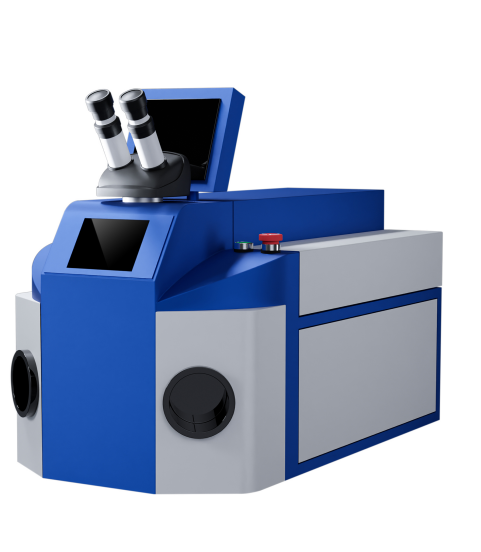
1. Tehnično ozadje
Pri izdelavi in popravku nakita za varilne postopke velja zahtevati visoko natančnost, nadzorovan vnos toplote ter ohranitev celovitosti površine. Dragoceni kovini, kot sta zlato in platina, ter karatno zlato in srebro, imajo na splošno visoko toplotno prevodnost, visoko odbojnost in majhne prečne dimenzije. Če se uporabljata običajno plamensko varjenje ali varjenje z električnim uporom, je verjetno pojavljanje težav, kot so prekomerna difuzija toplote, grobi varilni madeži in lokalna deformacija.
Laserne varilnice za nakit dosežejo lokalni vnos energije z delovanjem pulznega lasera. Kakovost varjenja v veliki meri je odvisna od nastavitve parametrov stroja. Različne kombinacije parametrov neposredno vplivajo na oblikovanje taljenega bazena, stabilnost varilne točke in skladnost izdelka. Zato je razumevanje in nadzor varilnih parametrov osnovni zahteva v praktičnih uporabah.
2. Laserne moči in njihovi učinki
Laserne moči opisujejo najvišji izhod laserne energije na enoto časa in so običajno izražene v watih (W). Predstavljajo osnovni energijski parameter varilnega sistema.
Če je laserne moči nastavljena prenizko, postane površinska gostota energije nezadostna, kar povzroči nepopolno taljenje ter šibko varilno vezavo ali delno odlaganje. Če je moč nastavljena previsoko, lahko prekomerna trenutna koncentracija energije povzroči razprševanje kovine, zrušitev varilnega šiva ali spremembo barve površine, zlasti pri dragocenih kovinah.
Pri varjenju nakita z laserjem se moč laserja redko povečuje neodvisno. Namesto tega je običajno usklajena s parametri impulza, pri čemer se uporabi relativno nizka moč v kombinaciji z več prekrivajočimi se varilnimi točkami, da se izboljša nadzorljivost procesa.
3. Medsebojno delovanje energije impulza in širine impulza
Pri pulznih laserjih za varjenje nakita energija impulza in širina impulza skupaj določata značilnosti toplotnega vhoda pri posameznem varilnem spoju.
Energija impulza predstavlja skupno energijo, ki jo sprosti posamezen impulz, medtem ko širina impulza določa časovno dolžino, v kateri se ta energija oddaja. Njuna kombinacija določa, ali se energija nanese zelo koncentrirano in trenutno ali pa relativno zmerno in podaljšano.
Višja energija impulza s krajšo širino impulza povzroči višjo gostoto energije in globljo prodornost, kar ga naredi primeren za relativno debele strukturne spoje. Umerjena energija impulza z daljšo širino impulza ustvari bolj stabilen taljeni bazen in je bolj primerna za popravek površin in točnostne varilne operacije.
Pravilna prilagoditev teh parametrov omogoča dovolj veliko varilno trdnost, hkrati pa omejuje obseg toplotno vplivane cone.
4. Vpliv frekvence varjenja na ritem procesa
Frekvenco varjenja določa število laserskih impulzov, ki jih izda naprava na enoto časa, in se meri v hercih (Hz). Ta parameter predvsem vpliva na zveznost varilnih točk in na splošno učinkovitost obdelave.
Pri višjih frekvencah se razdalja med varilnimi točkami zmanjša, kar povzroči izboljšano vizualno kontinuiteto varilnega šiva. Nižje frekvence so bolj primerni za varjenje na eni točki ali lokalne popravne operacije. Če pa frekvenco povečamo brez ustrezne odvajanja toplote, se lahko kopičenje toplote v obdelovancu poveča, kar vpliva na stanje materiala.
Zato varjenje nakita običajno zahteva uravnotežene nastavitve med stabilnostjo varjenja, termičnim nadzorom in operativno učinkovitostjo.
5. Premer točke in nadzor velikosti varila
Premer točke določa površino, na katero se laserska energija razporedi na površini obdelovanca, in je neposreden dejavnik, ki vpliva na velikost in natančnost varila.
Z manjšimi premeri točke je koncentracija energije višja in so varilne točke bolj drobne, kar naredi to nastavitev primerno za prstane nastavitve, drobne razpoke in popravek mikrostruktur.
Večina laserskih varilnic za nakit je opremljenih z nastavljivimi sistemi velikosti točke, da se prilagodijo različnim strukturam nakita in zahtevam obdelave.
6. Zaščitni plin in nastavitev pretoka plina
Med laserskim varjenjem nakita se kot zaščitna sredstva uporabljajo inertni plini – najpogosteje argon. Zaščitni plin loči taljeni del od okoljskega zraka, s čimer preprečuje oksidacijo pri visokih temperaturah ter neposredno vpliva na barvo šava in kakovost njegove oblikovanja.
Nedostaten pretok plina zmanjša učinkovitost zaščite in poveča tveganje za potemnitev ali oksidacijo varilnega šva. Prevelik pretok plina lahko moti stabilnost taljenega bazena in vpliva na enotnost varilnega šva. Ustrezna nastavitev pretoka plina pomaga tudi pri zaščiti fokusirnih leč in varilnih oken.
7. Parametri sistema za pozicioniranje in opazovanje
Čeprav sistemi za pozicioniranje in opazovanje neposredno ne prispevajo k izhodni energiji, imajo v operacijah varjenja nakita praktično vlogo. Povečava, jasnost slike in koaksialna natančnost mikroskopov ali CCD sistemov neposredno vplivajo na natančnost pozicioniranja.
V aplikacijah, kot so popravek mikroprask na materialu in fino varjenje prstov, stabilne in jasne vizualne razmere zmanjšajo potrebo po ponovnem varjenju in predelavi, kar izboljša skupno enotnost obdelave.
8. Celovita medsebojna povezanost parametrov
Kakovost varjenja z lasersko varilno napravo za nakit izhaja iz skupnega učinka več tehničnih parametrov. Laserja moč zagotavlja energetsko osnovo; energija impulza in širina impulza določata način vnašanja toplote; frekvenci varjenja vpliva na ritem procesa; premer pege nadzoruje velikost zvara; zaščitni plin in opazovalni sistemi pa podpirajo stabilnost varjenja in natančnost izvedbe.
V praktičnih aplikacijah naj se nastavitve parametrov sistematično prilagodijo glede na vrsto materiala, konstrukcijske mere in cilje procesa, namesto da bi se zanašali le na en sam parameter.