 EN
EN
 AR
AR
 BG
BG
 CS
CS
 DA
DA
 NL
NL
 FI
FI
 FR
FR
 DE
DE
 EL
EL
 IT
IT
 JA
JA
 KO
KO
 NO
NO
 PL
PL
 PT
PT
 RO
RO
 RU
RU
 ES
ES
 SV
SV
 TL
TL
 ID
ID
 LV
LV
 SR
SR
 SK
SK
 SL
SL
 UK
UK
 VI
VI
 SQ
SQ
 ET
ET
 HU
HU
 TH
TH
 TR
TR
 FA
FA
 GA
GA
 BE
BE
 AZ
AZ
 KA
KA
 LA
LA
 UZ
UZ
1. Bevezetés
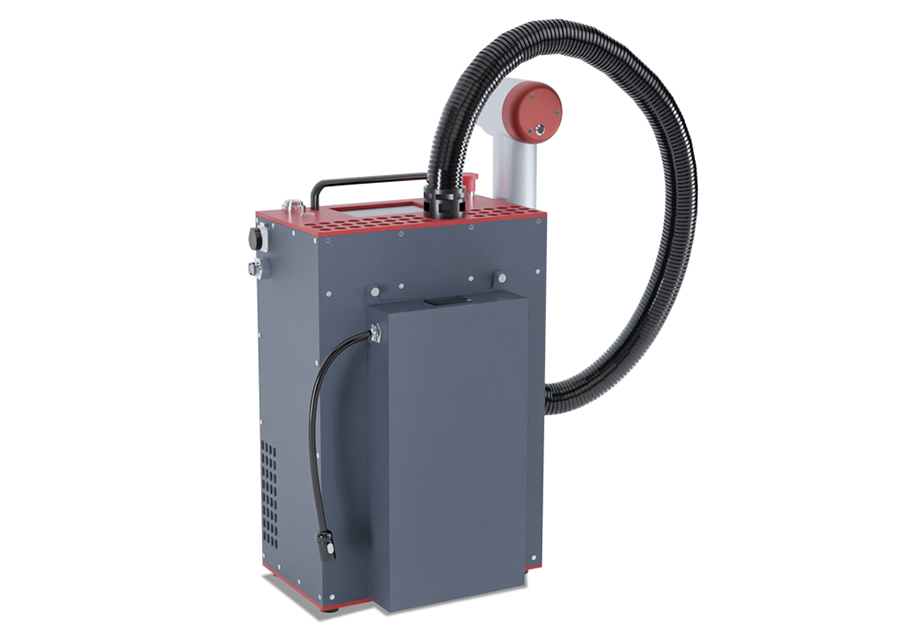
A lézeres tisztítás egy érintésmentes felületkezelési technológia, amely nagyenergiás lézersugarakat használ a anyagfelületek kezelésére, melyek hatására a szennyeződések, lerakódások vagy bevonatok elpárolognak, rétegekre válnak szét, illetve fénykémiai bomlásnak mennek alá. A hagyományos módszerekhez – például a vegyszeres tisztításhoz és az ördöglabdás (szórt) felszínkezeléshez – képest a lézeres tisztítás környezetbarát, jól szabályozható és minimális alapanyag-károsodást okozó eljárás.
A különféle folyamatparaméterek közül a sugárprofil (vagy sugárrezsim) egyik kulcsfontosságú tényező, amely befolyásolja a tisztítási eredményeket. A sugárrezsim meghatározza az energiatermelés eloszlását a lézerfoltban, ami közvetlenül befolyásolja a szennyeződések eltávolításának mechanizmusát, a tisztítási hatékonyságot, a hőhatásokat és az alapanyag biztonságát.
2. Gyakori sugárprofilok a lézertisztításban
A lézerforrások különböző rezsimet vagy intenzitáseloszlást is kibocsáthatnak. A lézertisztításban általában a következő sugárjellemzők fordulnak elő:
1. Gauss-rezsim
A Gauss-módus a folt középpontjában mutatja a maximális energiasűrűséget, amely fokozatosan csökken a szélek felé, így egy harang alakú energiaterületet alkot. Ez a módus kiváló fókuszálási képességgel rendelkezik, és különösen alkalmas lokális, nagyenergiás tisztításra, ahol vékony, erősen elnyelő szennyeződésszintek gyorsan elpárologtathatók vagy gázzá alakíthatók. Azonban az intenzíven koncentrált energia lokális túlmelegedést okozhat, ezért megfelelő szkennelési stratégiákra van szükség a vezérléshez.
2. Top-Hat (Egyenletes) módus
A top-hat módus egyenletes energiaterületet biztosít a folt területén belül, éles határátmenettel. Ez a módus előnyös nagyfelületű tisztítási alkalmazásoknál, valamint hőérzékeny alapanyagok kezelésénél – például légi- és űrhajóipari alumínium alkatrészeknél, kulturális értékű kőfelületeknél és örökségvédelmi bronztárgyaknál –, mivel az egyenletes energia-bevitel minimalizálja a forró pontokat és a mikroszkopikus károsodásokat. Jól alkalmazható továbbá bevonat-előkészítési felületkezelésre és zsírtalanítási feladatokra is.
3. Gyűrűs üzemmód
A gyűrűs üzemmódnak alacsony az energiasűrűsége a középpontban, és magasabb az energiasűrűsége a gyűrűs régióban, így egy „fánkformájú” mintázatot alkot. Ez az üzemmód fokozza a hőterhelésen alapuló rétegfelhasítást, és alkalmas keményebb vagy vastagabb szennyeződésszintek eltávolítására, például hengerlőrétegre, rozsdára vagy egyes bevonatrendszerekre. Az alacsony energiájú középpont csökkenti a mélyebb alapanyag-károsodás kockázatát.
4. Strukturált fény
Nagyon pontos vagy nagy teljesítményű alkalmazásokhoz – például Bessel-sugarak és többpontos tömbök – strukturált sugarakat lehet alkalmazni a fókusztávolság meghosszabbítása, a lefedettség hatékonyságának növelése vagy az automatizált tisztítórendszerekkel való jobb kompatibilitás érdekében. Ezeket a sugarakat gyakran nagysebességű galvanométeres szkennerekkel kombinálják az ipari termelékenység javítása érdekében.
3. A sugárüzemmód hatásának mechanizmusai a tisztítási teljesítményre
A sugárüzemmód a következő mechanizmusokon keresztül befolyásolja a lézeres tisztítás eredményeit:
1. Meghatározza a szennyeződés eltávolításának mechanizmusát
A lézeres tisztítás során gőzölés/gázosítás, mikrorobbanásos rétegleválás, fénykémiai lebomlás és hőhatásra bekövetkező repedés képződése is szerepet játszhat.
A Gauss-mód gyors energiagyűjtést eredményez, ami elősegíti a gőzölést;
a top-hat mód stabil hőterületeket biztosít, amelyek elősegítik a mikrorobbanásos vagy réteges leválást;
a gyűrűs mód körirányú hőfeszültséget generál, amely a szennyeződés–alapanyag határfelületén indítja el a repedések terjedését.
2. Meghatározza az alapanyagon keletkező hőhatott zónát (TAZ)
A különböző energiasűrítési jellemzők módosítják a hőterhelés eloszlását:
A Gauss-mód lokalizált magas hőmérsékletű területeket eredményez;
a top-hat mód egyenletes fűtést biztosít nagyobb felületeken;
a gyűrűs mód csökkenti a központi túlmelegedést alacsony energiatartalmú magjával.
Ezek a különbségek kritikus fontosságúak a légiközlekedési alkatrészek, vasúti összetevők és örökségvédelmi alkalmazások esetében.
3. Hatással van a tisztítás hatékonyságára és a szükséges bejáratok számára
A top-hat módok általában magasabb tisztaságot érnek el kevesebb bejárat esetén;
A Gauss-módok további letapogatást igényelhetnek a gyenge peremenergia miatt;
a gyűrűs módok jobban teljesíthetnek erősen tapadó szennyeződésszintek eltávolításánál.
A megfelelő mód kiválasztása növeli a tisztítás sebességét, miközben csökkenti az energiafelhasználást és a feldolgozási időt.
4. Hatással van a tisztítás egyenletességére és a felületi konzisztenciára
Folyamatos, nagy felületű tisztítási feladatoknál a sugár egyenletessége közvetlenül befolyásolja a felület megjelenését.
Olyan iparágakban, mint a szerszámgyártás, a műemlék-restauráció és az előkezelési feladatok (pl. festés előtti kezelés), helyi túltisztítás esetén színeltolódás vagy felületi érdességváltozás léphet fel.
A top-hat sugár e hatásokat enyhíti az egyenletes kezelés biztosításával.
4. Sugármód-kiválasztási ajánlások tipikus alkalmazásokhoz
Az ipari tapasztalatokon és kísérleti érvényesítésen alapulóan a különböző szektorok eltérő mód preferenciákat mutatnak:
Vasúti közlekedés és fémipar
Gyártási réteg és vastag rozsdarétegek eltávolítása → A gyűrűs mód előnyös a hő okozta repedésképződés és leválás teljesítménye miatt.
Örökségvédelem és kőtisztítás
Hőérzékeny felületek → A top-hat (kalapos) mód minimálisra csökkenti a mikrorepedések és elszíneződések kockázatát.
Forma- és öntőszerszám-gyártás
Szennyező anyagok, például olajok, kioldószerek és vékony oxidrétegek → A Gauss- vagy a top-hat (kalapos) mód egyaránt alkalmazható.
Légiközlekedési bevonatok előkészítése
Magas felületminőségi és egységesítési követelmények → A top-hat (kalapos) mód preferált.
5. Technológiafejlesztési irányzatok
A lézeres tisztítás gyors ipari fejlődésével a sugár módjának szabályozása az alábbi irányba fejlődik:
✔ Kapcsolható sugármódok
Egyetlen gép több tisztítási forgatókönyv kezelésére képes, így növelve a folyamat rugalmasságát.
✔ Digitális sugárformálás
DOE (diffraktív optikai elemek) vagy SLM (térbeli fénymodulátorok) segítségével valós idejű sugármoduláció érhető el a homogenitás javítása érdekében.
✔ Intelligens érzékelés és adaptív szabályozás
Mesterséges intelligencián alapuló szennyeződés-felismerés, valamint az optimális sugárprofilok és folyamatparaméterek automatikus alkalmazása.
✔ Többszörös foltképzés ipari termelési kapacitás növelésére
Robotos és automatizált gyártósorok támogatása a lefedettség és hatékonyság javítása érdekében.
6. Következtetés
A sugár módja döntő szerepet játszik a lézeres tisztítási folyamatokban, befolyásolva a eltávolítási mechanizmusokat, a hatékonyságot, a hőhatásokat és az alapanyag biztonságát. A megfelelő mód kiválasztása jelentősen javítja a tisztítás minőségét, csökkenti az energiafogyasztást, és kibővíti a technológia alkalmazhatóságát a fejlett ipari területeken.
A sugárformázás és az intelligens vezérlés folyamatos fejlődésével a sugár mód mérnöki tervezése kulcsfontosságú versenyelőnyt jelent majd a lézeres tisztítóberendezésekben, lehetővé téve a hatékonyabb, magasabb minőségű és biztonságosabb tisztítási műveleteket.